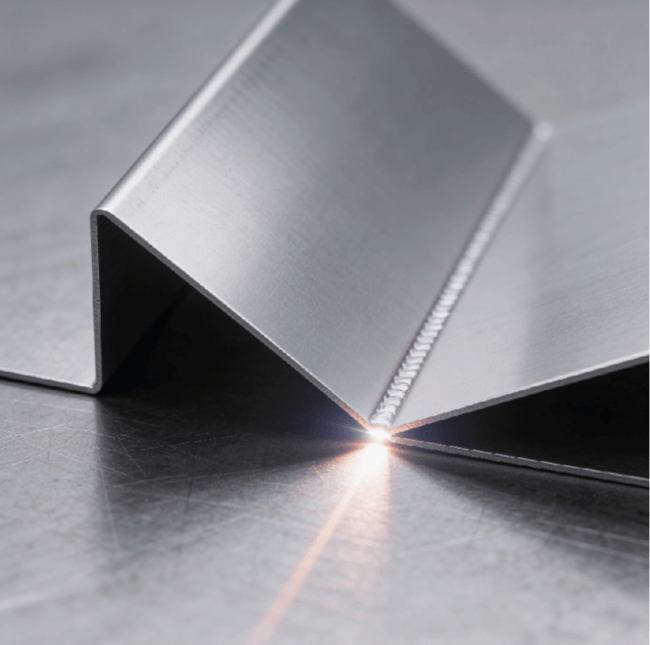

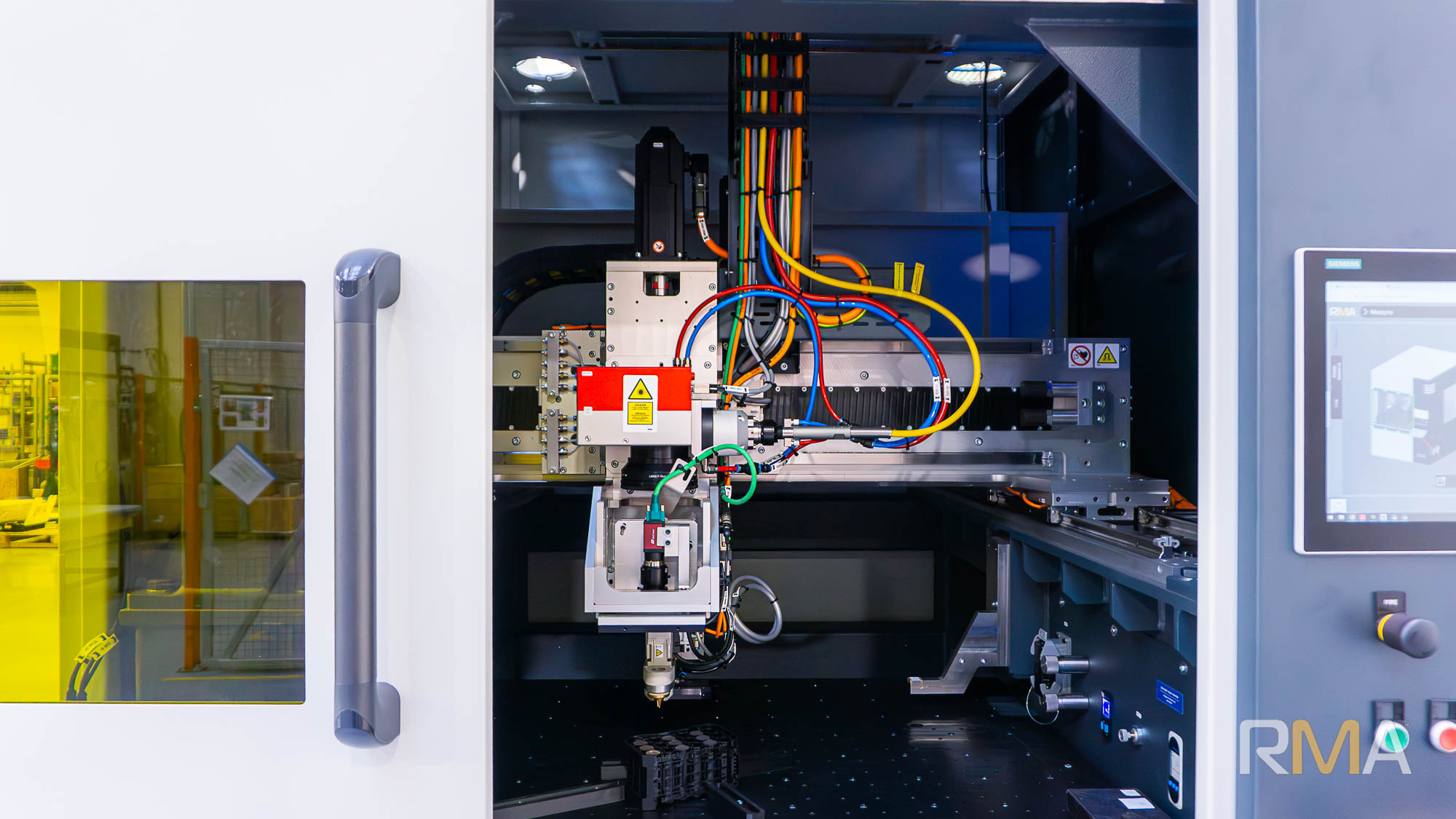
Modern Laser Welding applications demand more than raw laser power. They require intelligent process control, including distance-based focus adjustment, vision-guided alignment, and process measures that minimize fumes and spatter. However, not every production line benefits from every available feature.
Application-Driven Integration
Effective system integration must be driven by real production requirements rather than theoretical maximum configurations. Within the RMA and RAYLASE collaboration, system architectures are defined through empirical testing, performance benchmarks, and customer-specific process criteria.
Only capabilities that demonstrably improve weld quality, repeatability, and process stability are implemented. This ensures a lean system design that maximizes uptime, simplifies operation, and supports long-term scalability.
Engineering for Performance and Flexibility
This pragmatic approach to battery Laser Welding focuses on delivering measurable value in current production while maintaining a technology roadmap that supports future cell designs, higher throughput requirements, and evolving quality standards.
The partnership continues to expand, with validated performance data and implementation results to be shared soon.
Learn More and Get in Touch
To explore available solutions and system components, visit the RMA product portfolio.
For a deeper technical overview of the collaboration, read the article: High-speed precision welding in advanced battery production .
You can also learn more about scan head and beam steering technologies at RAYLASE.
If you would like to discuss your specific application, process requirements, or integration scenario, we encourage you to contact our engineering team to evaluate the best Laser Welding configuration for your production environment.